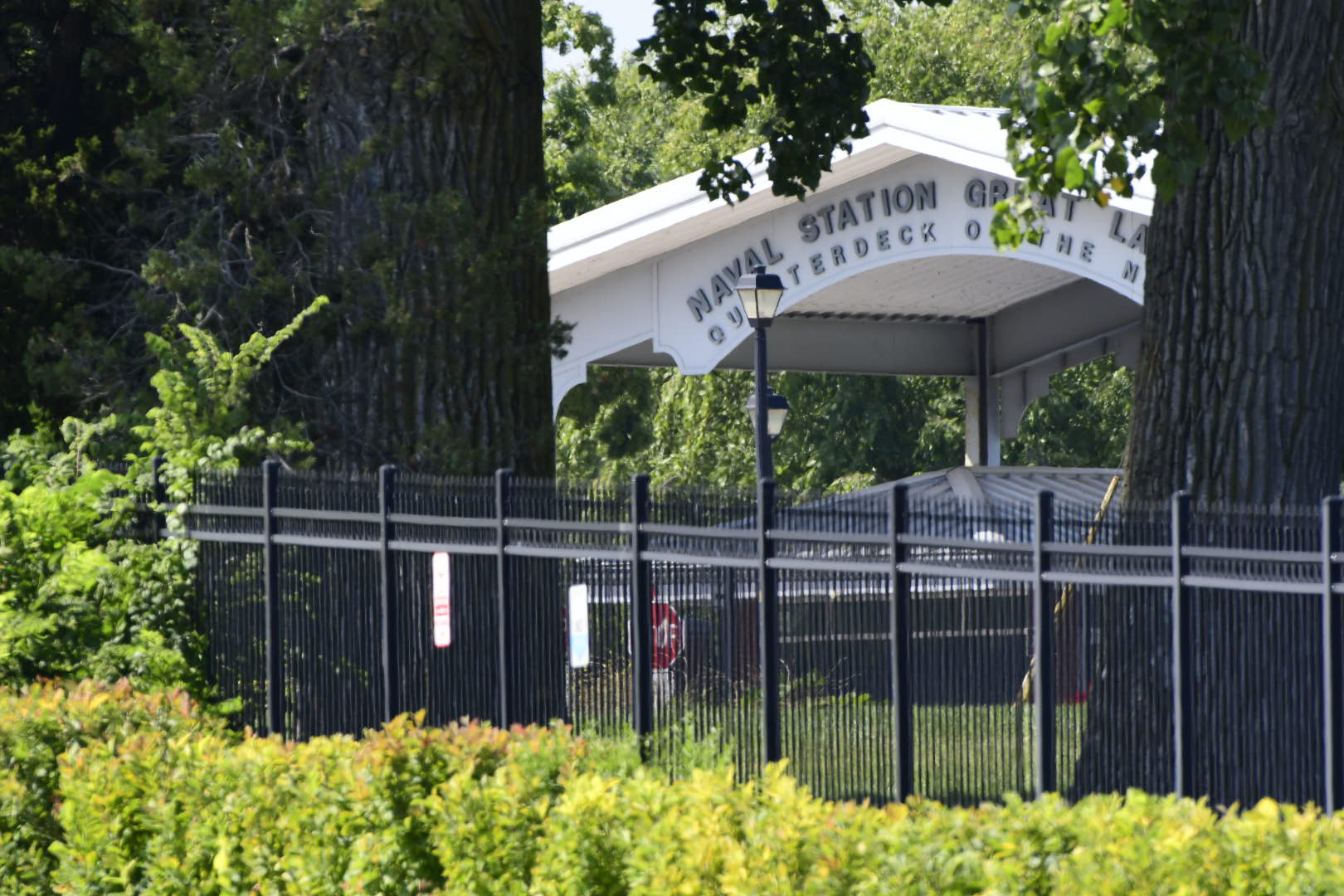
Chicago Braces for Immigration Crackdown
#immigration #chicago #enforcement
Residents of Chicago are concerned about a month-long enforcement campaign targeting undocumented immigrants in the area.
**Law enforcement agencies (LEAs)** are government organizations responsible for enforcing laws, maintaining public order, and protecting public safety within designated jurisdictions. They employ law enforcement officers who have legal authority to investigate crimes, make arrests, conduct searches, and use force when necessary to uphold the law[1][2]. LEAs operate at multiple levels, including local police departments, county sheriff’s offices, state police and highway patrol, and federal agencies such as the FBI and DEA[1][3]. The history of law enforcement agencies traces back to early organized efforts to maintain societal order, evolving into complex institutions with specialized functions. Over time, these agencies have expanded their roles to include crime prevention, investigation, and community engagement, adapting to new challenges such as cybercrime and terrorism. Key achievements of law enforcement agencies include the development and implementation of standardized protocols and accreditation programs that enhance professionalism and operational effectiveness. For example, the Commission on Accreditation for Law Enforcement Agencies (CALEA) provides a framework for agencies to meet high standards in life safety, community service, and administrative practices, promoting excellence and accountability[7]. Currently, law enforcement agencies face increasing demands to balance effective crime control with civil rights protections and community trust. Technological advancements have become integral, with agencies employing data analytics, body cameras, and forensic technologies to improve investigations and transparency[6]. Notable aspects of LEAs include their varied structures—centralized agencies operate under a single authority, while decentralized ones function independently—and their specialized units addressing specific crime types or jurisdictions, such as transit or wildlife enforcement[3][7]. Their powers, such as conducting searches and arrests, are regulated by judicial oversight to prevent abuse and ensure legality[2]. In the context of business and technology, law enforcement agencies are pivotal partners in cybersecurity, intellectual property protection, and regulatory compliance, leveraging technology to combat sophisticated criminal enterprises while navigating evolving legal landscapes.
#immigration #chicago #enforcement
Residents of Chicago are concerned about a month-long enforcement campaign targeting undocumented immigrants in the area.